
August 24, 2026
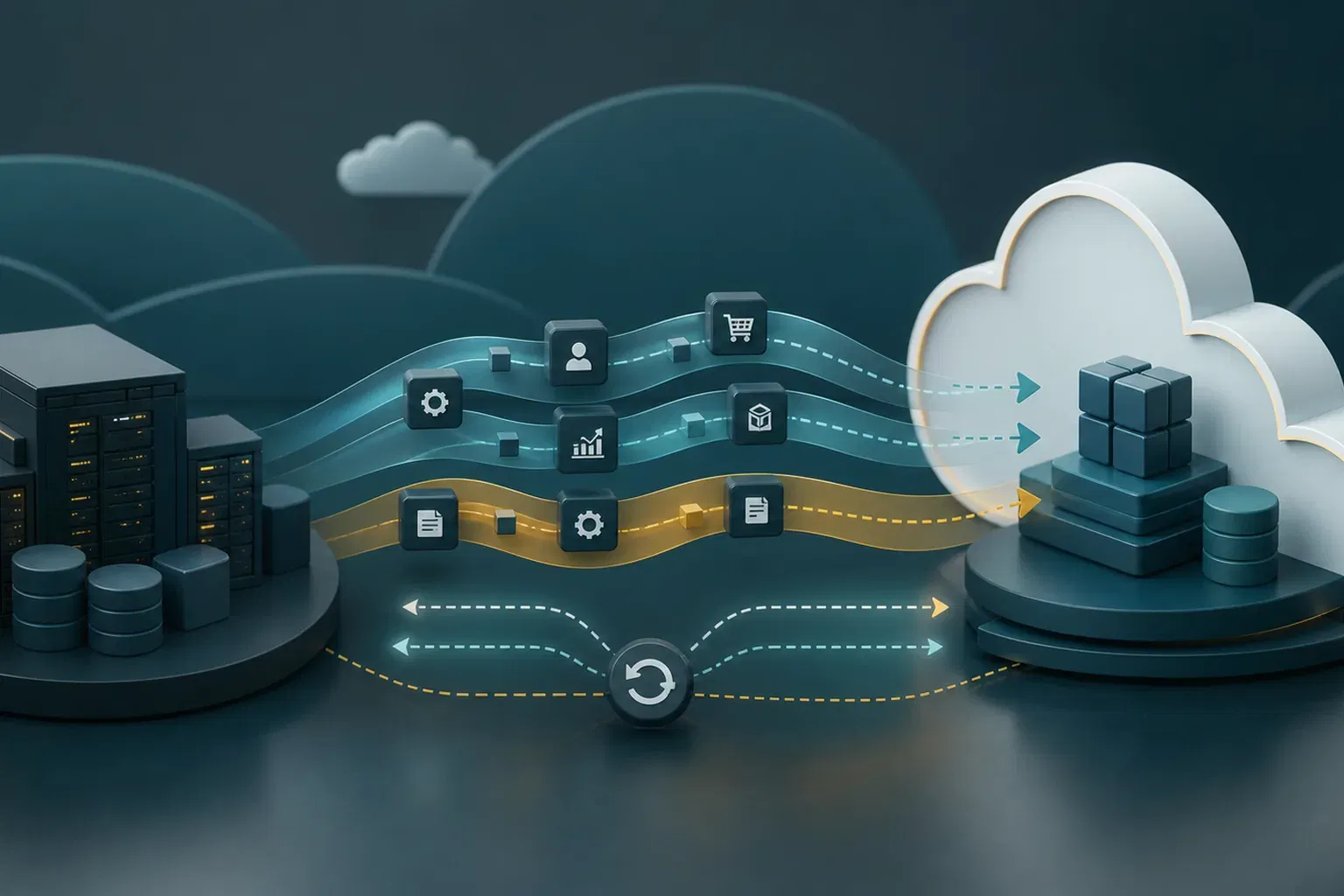
A cloud migration decision that starts with a modernization slide, a "path from spend to strategy" deck, or a virtualization matrix usually fails at the first workload that cannot move, not at the first platform logo. A slide is a conversation kit. It is not the decision. If you do not write the workloads, the dependencies, the data and identity questions, who operates the result, and which dates cannot slip, the next familiar cloud brand still controls the conversation.
That is why the live cloud migration page starts with workloads, dependencies, data, and operating constraints : not with a provider or a pitch deck. This note does not replace that page. It is a supporting reminder that a leftover Cloud Launchpad slide is training material, not the migration decision.
What the public leftover is actually about

A Cloud Launchpad leftover : separate from the toolkit briefing already used on the readiness post : still offers outcome decks with titles such as "How Cloud Strategy Unlocks Real Business Outcomes" and "A Practical Path from Spend to Strategy," plus notes on hybrid and multi-cloud conversations. Those materials are a conversation kit. They are not a workload inventory.
A public Telarus HITT session dated 16 April 2026, on private-cloud strategies for SMB and mid-market buyers, records the calendar behind why those slides keep getting pulled: hardware cost and lead-time pressure stretching into 2027, public-cloud cost overruns that send some workloads back toward a fixed-cost private model, and a mid-market habit of running hybrid rather than picking one banner. Speakers also note that public cloud, private cloud, and staying in place are different operating models, and that a lean IT team cannot treat a deck as the cutover plan. Treat the market figures as industry calendar, not as a finished design. Do not import partner process notes, supplier SKUs, incentive talk, selling frameworks, or campaign kits onto a public buyer page. It is not a Data Partner engagement, not a win story, and not a recommendation of any cloud brand named on that call.
What to add to the cloud migration decision

Before anyone treats a migration slide as the path, fill these rows:
- Decision identity: what is changing, why now, who owns the outcome, and whether the work is still being defined or a bounded option is being compared.
- Workload inventory: what is in scope, who uses it, which processes die if it pauses, and which workloads can be retired, retained, or reviewed later.
- Dependency map: data flows, identity, adjacent applications, and the paths that would make a cutover risky.
- Data, identity, and governance: who can reach information after the move, where it is processed, and which team owns the controls. This is a review scope, not a compliance promise.
- Operating ownership: who tests, who supports, who handles incidents, who reviews cost, and what a freeze or staffing limit blocks.
- Connectivity and recovery: performance, remote access, and what "back" looks like if the first weekend fails.
- Timing: contract dates, business milestones, testing windows, and decisions that cannot slip.
The cloud migration readiness checklist is the companion when those rows have to become a review. The cloud migration cost baseline questions are the companion when money, licensing, and renewal dates are still missing. Neither is a substitute for the service-page decision.
Questions that belong in the first meeting

Ask the incumbent or a challenger to show, not describe:
- Which listed workloads they would keep running during each stage, not only after go-live : not a strategy slide.
- Who owns identity, monitoring, recovery, and cost review after cutover: their team, yours, or a third party.
- How public, private, hybrid, or stay-in-place options are compared against the same inventory.
- What they need from you before a quote, and what they will do if one workload cannot move.
- Which dates they treated as fixed, and which assumptions they would refuse to bury in a spreadsheet.
If those answers are a modernization deck and a promised migration week, you do not have a cloud migration decision. You have a slide.
What this post is not
This is not a Cloud Launchpad reprint, not a University course, and not a claim that The Data Partner already migrated anyone's workloads after a Tuesday call. Skip incentive talk, skip branded PDFs as a substitute for owners, and skip any suggestion that a spend-to-strategy narrative replaces a requirements brief. Use the live cloud migration page, write the workloads and the constraints, then request the next conversation.