
August 24, 2026
A buying-path decision that starts with "send me your supplier list" usually fails at the first unowned outcome, not at the first logo. A catalog is a channel map. It is not the brief. If you do not write what is changing, who owns ongoing support, which locations or workloads are in scope, which dates matter, and what evidence will be accepted later, the next inbox still controls the conversation.
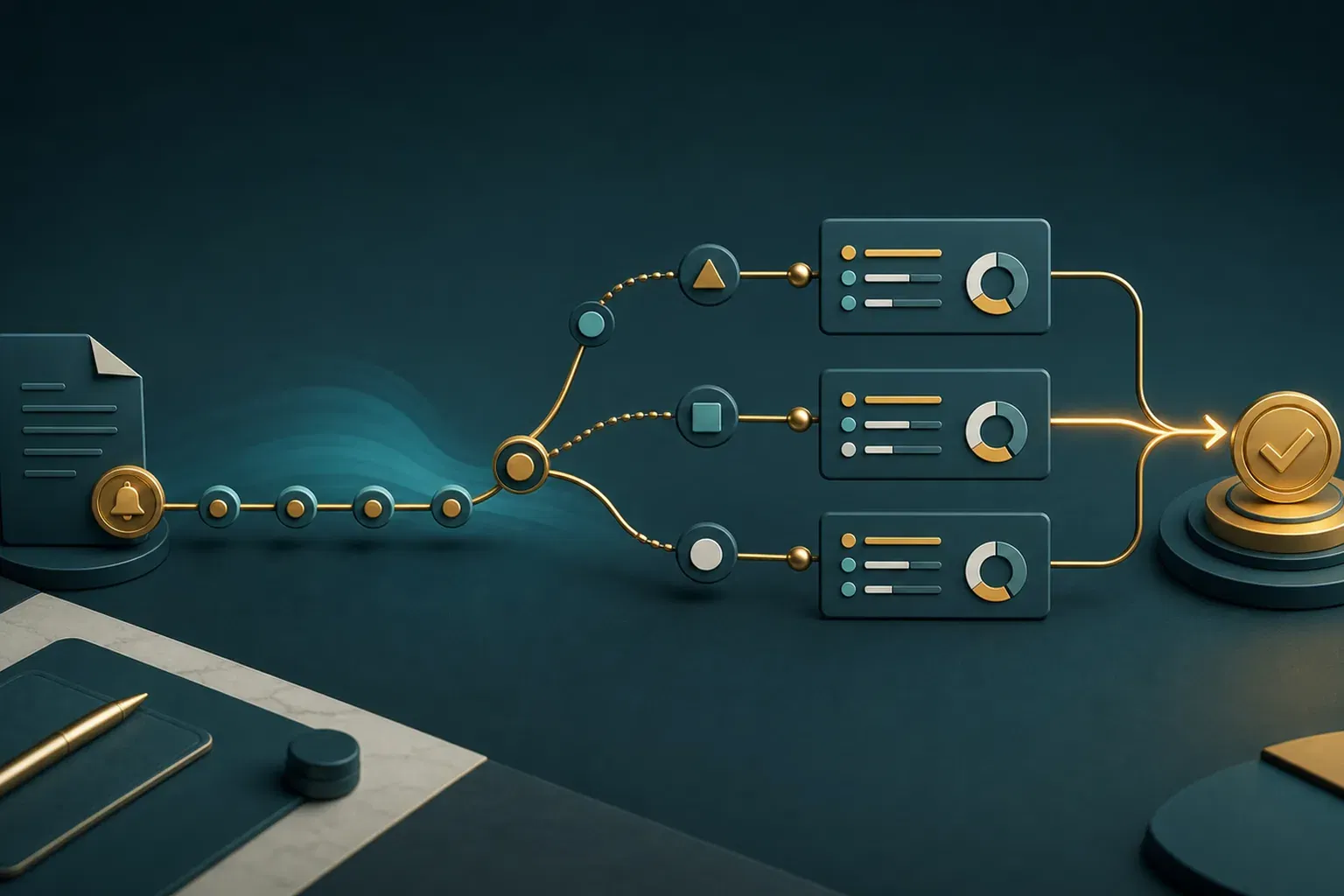
That is why the live advisor, MSP, VAR, or direct-supplier buying-path page starts with the decision, then four different jobs, then five lenses : not with a roster. This note does not replace that page. It is a supporting reminder that an OEM list is a screening input, not the path.
What the public briefing is actually about
A Telarus HITT panel dated 12 February 2026 argues that buyer questions are shifting from "which platform should we buy" to "which outcome do we need." Speakers describe a large, still-growing market and a practical fatigue: fewer vendors, more accountability, and managed operating help in places that used to be product-only. They also record a familiar inbound: an email that asks for every OEM and every person you can reach, because that is how some organizations are used to shopping.
The same session contrasts that catalog motion with a first conversation that asks what the organization is trying to finish, where the work is breaking, and who will own the result after a quote is signed. Treat the market figures and the "managed everything" language as industry calendar, not as a finished design. Do not import partner process notes, supplier SKUs, incentive talk, or "seven partners at the table" deal-reg talk onto a public buyer page. It is not a Data Partner engagement, not a win story, and not a recommendation of any firm named on that call.
What to add to the buying-path brief
Before anyone treats a supplier roster as a decision, fill these rows:
- Decision identity: what is changing, why now, who owns the outcome, and whether the problem is still being defined or a bounded option is being compared.
- Path fit: advisor work for framing and criteria; MSP work for ongoing operations; VAR work for a defined product and lifecycle question; direct-supplier work when the service is already bounded.
- Scope: locations, users, workloads, integrations, and dependencies that would change the path if they were missing.
- Timing: renewals, openings, approvals, and change windows that make a catalog browse too late or too early.
- Evidence: documents, reviewers, and comparison criteria required before a channel label is treated as the answer.
The cybersecurity provider assessment and the UCaaS and CCaaS assessment are companions when the solution lane is already clear. They are not a substitute for choosing the conversation type.
Questions that belong in the first meeting
Ask the incumbent or a challenger to show, not describe:
- Which of the four paths they believe this decision actually needs, and why : not a logo wall.
- Who would own support, policy, escalation, and change after a contract is signed.
- Which locations, workloads, or integrations they would refuse to bid without writing down first.
- How they keep the same criteria if an advisor, an MSP, a VAR, and a supplier all receive the same brief.
If those answers are a catalog PDF and a promised intro call, you do not have a buying-path decision. You have a supplier list.
What this post is not
This is not a HITT reprint, not a distributor capability sheet, and not a claim that The Data Partner already routed anyone's purchase. Skip incentive talk, skip branded OEM menus, and skip any suggestion that "who do you work with" replaces owners and dates. Use the live buying-path framework, write the five lenses, then request the next conversation.